
Section of Hematology & Hematopoietic Stem Cell Transplantation (HSCT)
Haematological Section
The Haematology Section operates in the context of the second Propaedeutic department of internal medicine of the university of ATHENS in the Hospital "Attikon (hospital)" since 2003.
It grants full residency (4 years) with 5 seats of residents of Hematology.
Secretariat:
- 2105 832 314
The Haematology Section includes:
- One-day Clinic
- Outpatient Hematology Clinic (daily)
- Outpatient clinic Of Lymphoproliferative Disorders & Lymphomas (Every Friday)
- Hemapheresis Section
- Hematology Lab
- Laboratory Of Molecular Biology
- Clinical Studies Section
Department of Hematology & Hematopoietic Stem Cell Transplantation (HSCT)
The Section Transplantation of Haematopoietic Cells (a " mac) works for 20 years, and since 2009 has been officially licensed for the conduct of allogeneic transplant. The section shows significant clinical activity and on an annual basis shall be carried out 40-45 allogeneic transplants from relatives and non-related donors and 10 autologous transplants.
HSCT includes:
- Laboratory of Transplantation hematopoietic cell
- Lab Cryo Biology
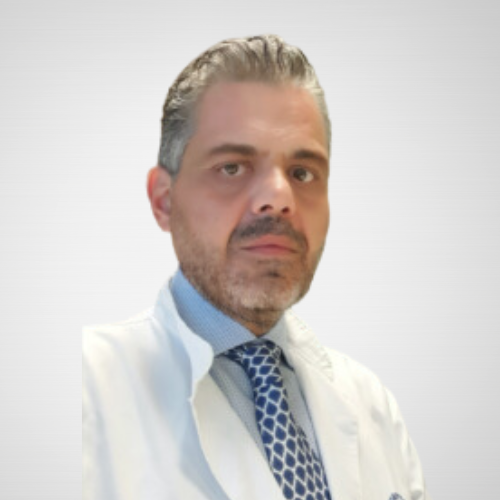
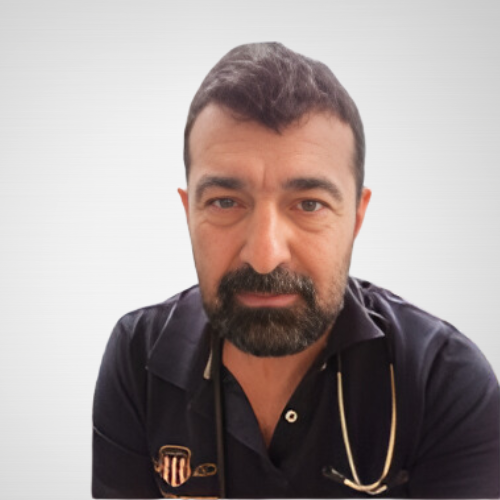
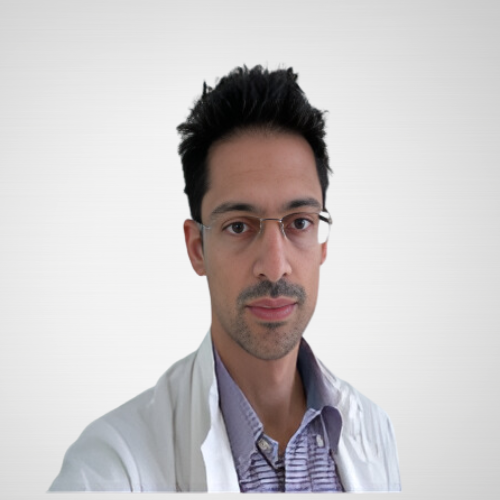
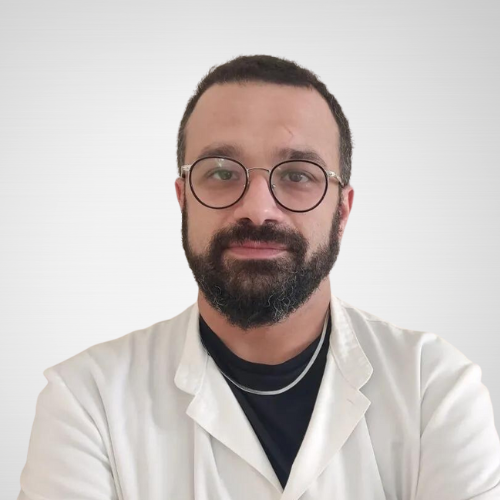
Faculty:




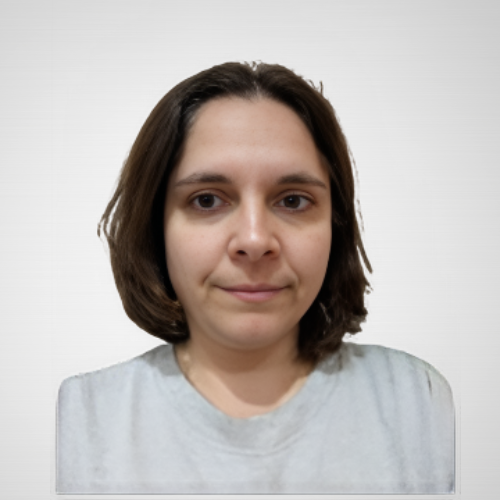

Resident Doctors:
Head Nurse of Haematological Section and of Haematopoietic Stem Cells Transplantation Section(HSCT):
- Christina Apostolopoulou
- Penelope Vrittia
- Artemis Zorba
- Julia Markakis
- Theodora Chatziligeroudi
- Alexander Litis, Paramedic IP.
Resident Doctors:
- Christina Apostolopoulou
- Penelope Vrittia
- Artemis Zorba
- Julia Markakis
Head Nurse of Haematological Section and of Haematopoietic Stem Cells Transplantation Section(HSCT):
- Alexander Litis, Paramedic IP.
The Haematology Section includes the One-Day Clinic, which provides care for 80-100 patients on a daily basis. The range of hematological diseases include hematological malignancies such as Myeloproliferative and Myelodysplastic Syndromes, Lymphomas, and Plasmacytic Dyscrasias, Acute Leukemias and benign hematological diseases.
These patients belong to the following categories:
1. Patients with hematological malignancies who are receiving chemotherapy.
2. Patients presenting for investigation of hematological diseases.
3. Patients with chronic hematological diseases undergoing transfusions.
4. Patients with blood disease who are on follow-up on an out-patient basis.
5. Patients undergoing therapeutic plasmapheresis and applying to all patients of the Hospital where the therapeutic plasmapheresis is indicated.
It is worth mentioning that the Haematology Section is included in Centres of Excellence for the diagnosis and treatment of Myelodysplastic Syndromes by the MDS Foundation.
In addition, the staff of the Haematology Section covers the needs of all Hospital offering advisory opinion on the diagnostic approach and treatment of Hematological diseases.
Besides the patients of the one-Day Clinic the Haematology Section provides medical services to the hospitalized hematological patients with a daily average number of 25.
Skilled practitioners of the Hematology Section are involved in the education of the students of the Medical School of the University of ATHENS in the Courses "Nosology -Semantics" and "Differential Diagnosis" from the lecture hall , and in wards ( 6th and 7th semester of studies).
They are also involved in clinical practice and lectures to students of the Medical School of the 11th-12th semester (6th year).
In addition, the skilled practitioners of the Hematology Section are engaged in the training of resident hematologists as follows:
1. Education on the morphology of peripheral blood and bone marrow under a microscope.
2. Education with lectures from amphitheatre on current issues of Hematology.
3. Participation in discussions on clinical cases of the Clinic.
4. Participation in joint discussions with pathologists and radiologists in interesting cases of lymphomas.
5. Bibliographic information.
Skilled practitioners of the Hematology are also involved, as teachers in the educational program of other specialties as well as invited speakers in Greek and International Haematological Conferences.
The following labs operate in the context of Haematology Section:
1. Hematology Lab in which every day are carried out:
>100 Full Blood Cell Count analysis, serving not only the hematological patients but also the entire Hospital.
• Bone Marrow Stains.
• Immunoelectrophoresis and quantitative determination of immunoglobulins.
• Immunoprecipitation and determination of immunoglobulin free light chains.
• Cell centrifugation of biological fluids.
2. Laboratory of Molecular Biology and flow Cytometry, which are:
• Molecular testing routine with a qualitative and quantitative PCR for diagnosis and prognostic evaluation of haematological malignancies (acute leukemias, Myeloproliferative syndromes).
• Quantification of CD34 cells in the context of a bone marrow transplant.
• Research protocols relating to translational research in Hematologic malignancies such as Αcute Leukemias, Myelodysplastic Syndromes and Chronic Lymphocytic Leukemia.
- The operation of the program bone marrow transplant/ stem cell in the university hospital ‘ATTIKON’ in accordance with the rules of good clinical practice (GoodClinicalPractice, GCP) and the Greek and european rules of operation section transplantation hematopoietic cells as determined by the EMF and the European Instrument for bone Marrow Transplantation (ΕΒΜΤ).
- The strategy, procedures, regulations and the clinical protocols are applied in a " mac is recorded in a special file of the section and is structured in accordance with the rules JACIE (ISO).
- The strategy and the clinical protocols are applied in a " mac are the same as those used by the rest of the μεταμοσχευτικά centers of Greece, and which have been recorded by the Greek Haematological Company and have been approved by the competent supervisory authorities.
- The monitoring of patients achieved a lifelong, to preserve the respective folders and the results of transplantation are recorded from the EMF and the corresponding European Commission, where the Section is accredited with the code CIC-604.
- The Section shall inform the EOM for the results of transplantation as well as for the adverse effects likely to occur in patients or donors of hematopoietic grafts.
- The results of our clinical practice is comparable with those of the major international centers. The results are at the disposal of institutions such as the EMF in which you are given every year. Part of the results of our activity has been published in international journals of high repute.
- In our Section are performed in the last years and transplantation in patients with hematologic malignancies and infection by the virus of the human acquired immunodeficiency. This activity is carried out with the assistance of the Section of infectious diseases of the Hospital and of the respective department.
- From January 2022 in a " mac performed and treatment with genetically modified lymphocytes (CART-cells) for the treatment of patients with hematological malignancies.
- The Section of BPPK works like official collection hematopoietic grafts for use in patients hospitalized in other μεταμοσχευτικά centers of both domestic and foreign. This activity is under the supervision of the UOS, has already developed to a significant extent resulting to be collected annually, about 30 blood grafts, while there is a tendency of continuous growth.
- In a " mac a programme of continuing medical education to all medical and nursing staff with the subject of the prevention and treatment of disease of the graft, the treatment and diagnosis of opportunistic infections and complications of transplantation. In a " mac educated on the subject of transplantation and the residents, hematology clinic, while presenting for education and residents of haematological clinical other hospitals that do not have a corresponding section.
- In a " mac is carried out important research work, which focuses mainly on the application of methods of immunotherapy for the prevention of relapse of leukemia after allogeneic transplantation. In our Section has been applied to the treatment of relapse prevention with the administration of lymphocytes of the donor with very encouraging results. Another object of our research interest is the investigation of the mechanisms of escape of leukemia from immune action of the graft with a particular emphasis on an isolated extramedullary relapse. In the same context, and in cooperation with foreign institutions involved in research programs for the study of the immunological microenvironment in patients with malignant blood diseases, as well as the development of methods of immunotherapy through the aid of the action of the cells natural killer. Part of the results of our studies have been published in international journals of high repute. The research interests of a " mac is the participation in a variety of international multi-centre clinical studies testing the efficacy and safety of innovative factors in the prevention and treatment of disease, graft-versus-host disease, prevention and treatment of relapse of leukemia, and treatment of complications such as infections and the syndrome of thrombotic microangiopathy.
• The members of the Haematology Section are involved as investigators and study coordinators in clinical studies relating to the innovative treatments of patients with Lymphomas, Myelodysplastic syndromes, Acute leukemias, Multiple Myeloma, Chronic Lymphocytic leukemia.
• Shown below are the clinical studies that are in progress:
1. A phase 1B, open-label, global, multicenter, determining dose, randomized study extension dose for the determination of maximum tolerated dose, evaluation of safety and tolerability, pharmacokinetics and preliminary efficacy of iverdomides (CC-220) in combination with R-CHOP-21 and CC-99282 in combination with R-CHOP-21 for patients with high-risk (IPI 3 to 5) aggressive B-cell lymphoma has not been previously treated.
2. A phase 2, randomized, open-label, parallel-group study to investigate the safety, efficacy and pharmacokinetics of different dose regimens of belantamabmafodotin (GSK2857916) as monotherapy in participants with relapsed or resistant multiple myeloma (DREAMM 14).
3. A phase III, open-label, multicentre , randomised study evaluating the safety and efficacy of Polatuzumabvedotin in combination with rituximab plus gemcitabine plus oxaliplatin (R-GEMOX) compared with monotherapy with R-GEMOX , in patients with relapsed/refractory diffuse lymphoma of large B-cells.
4. A Phase 3, Randomized, Double-Blind, Placebo-Controlled, Multicenter Study to Evaluate the Safety and Efficacy of Tafasitamab in combination with Lenalidomide in Addition to the Rituximab Versus Lenalidomide in Addition to the Rituximab in Patients with Relapsed/refractory (R/R) Follicular Lymphoma Grade 1 to 3a or R/R Lymphoma Marginal Zone.
5. A phase 3, double-blind, randomized study to compare the efficacy and safety of Luspatercept (ACE-536) versus placebo in patients with associated with myeloproliferative neoplasia myelofibrosis, receiving concomitant treatment with an inhibitor JAK2 and need transfusions of red blood cells" test "INDEPENDENCE".
6. Randomized, double-blind, 2 groups, multicentre, phase 3 study of Venetoclax and Azacitidine oral versus Azacitidine orally as maintenance therapy in patients with acute myeloid leukemia in first remission after conventional chemotherapy (VIALE-M).
• Parallel to the Molecular Biology laboratory of the Haematological Module have been developed in the past and are in development today, research protocols related to translational research, many of which are the subject of doctoral dissertations. From the lab that have already been drawn up 19 phd theses, while others are in development.
• The research work of the laboratory of this is reflected in the significant number of publications in International journals.
The scientific activity of the members of the Haematological Module includes a number of >150 publications in International journals after peer revision , chapters in books, including the book of FACULTY members as well as chapters in the proceedings of Greek and International conferences.
In addition, the members of the Haematology Section participate as reviewers of works in Greek and International Conferences and in Greek and International journals.
The skilled Hematologists of the Haematology Section have served as members of the Management Committees of Haematology of the Greek Haematological Society , as well as on the board of the Greek Haematological Society and the Foundation of the Greek Haematological Society.
In addition, the Haematology Section organizes annual educational workshops and day conferences in Athens, Greece since 2004 with great success. The aim of these events it to inform specialized and resident hematologists about the therapeutic developments in the malignant Haematological diseases, thanks to participation of distinguished Greek and foreign speakers.
The Haematology Section includes the One-Day Clinic, which provides care for 80-100 patients on a daily basis. The range of hematological diseases include hematological malignancies such as Myeloproliferative and Myelodysplastic Syndromes, Lymphomas, and Plasmacytic Dyscrasias, Acute Leukemias and benign hematological diseases.
These patients belong to the following categories:
1. Patients with hematological malignancies who are receiving chemotherapy.
2. Patients presenting for investigation of hematological diseases.
3. Patients with chronic hematological diseases undergoing transfusions.
4. Patients with blood disease who are on follow-up on an out-patient basis.
5. Patients undergoing therapeutic plasmapheresis and applying to all patients of the Hospital where the therapeutic plasmapheresis is indicated.
It is worth mentioning that the Haematology Section is included in Centres of Excellence for the diagnosis and treatment of Myelodysplastic Syndromes by the MDS Foundation.
In addition, the staff of the Haematology Section covers the needs of all Hospital offering advisory opinion on the diagnostic approach and treatment of Hematological diseases.
Besides the patients of the one-Day Clinic the Haematology Section provides medical services to the hospitalized hematological patients with a daily average number of 25.
Skilled practitioners of the Hematology Section are involved in the education of the students of the Medical School of the University of ATHENS in the Courses "Nosology -Semantics" and "Differential Diagnosis" from the lecture hall , and in wards ( 6th and 7th semester of studies).
They are also involved in clinical practice and lectures to students of the Medical School of the 11th-12th semester (6th year).
In addition, the skilled practitioners of the Hematology Section are engaged in the training of resident hematologists as follows:
1. Education on the morphology of peripheral blood and bone marrow under a microscope.
2. Education with lectures from amphitheatre on current issues of Hematology.
3. Participation in discussions on clinical cases of the Clinic.
4. Participation in joint discussions with pathologists and radiologists in interesting cases of lymphomas.
5. Bibliographic information.
Skilled practitioners of the Hematology are also involved, as teachers in the educational program of other specialties as well as invited speakers in Greek and International Haematological Conferences.
The following labs operate in the context of Haematology Section:
1. Hematology Lab in which every day are carried out:
>100 Full Blood Cell Count analysis, serving not only the hematological patients but also the entire Hospital.
• Bone Marrow Stains.
• Immunoelectrophoresis and quantitative determination of immunoglobulins.
• Immunoprecipitation and determination of immunoglobulin free light chains.
• Cell centrifugation of biological fluids.
2. Laboratory of Molecular Biology and flow Cytometry, which are:
• Molecular testing routine with a qualitative and quantitative PCR for diagnosis and prognostic evaluation of haematological malignancies (acute leukemias, Myeloproliferative syndromes).
• Quantification of CD34 cells in the context of a bone marrow transplant.
• Research protocols relating to translational research in Hematologic malignancies such as Αcute Leukemias, Myelodysplastic Syndromes and Chronic Lymphocytic Leukemia.
- The operation of the program bone marrow transplant/ stem cell in the university hospital ‘ATTIKON’ in accordance with the rules of good clinical practice (GoodClinicalPractice, GCP) and the Greek and european rules of operation section transplantation hematopoietic cells as determined by the EMF and the European Instrument for bone Marrow Transplantation (ΕΒΜΤ).
- The strategy, procedures, regulations and the clinical protocols are applied in a " mac is recorded in a special file of the section and is structured in accordance with the rules JACIE (ISO).
- The strategy and the clinical protocols are applied in a " mac are the same as those used by the rest of the μεταμοσχευτικά centers of Greece, and which have been recorded by the Greek Haematological Company and have been approved by the competent supervisory authorities.
- The monitoring of patients achieved a lifelong, to preserve the respective folders and the results of transplantation are recorded from the EMF and the corresponding European Commission, where the Section is accredited with the code CIC-604.
- The Section shall inform the EOM for the results of transplantation as well as for the adverse effects likely to occur in patients or donors of hematopoietic grafts.
- The results of our clinical practice is comparable with those of the major international centers. The results are at the disposal of institutions such as the EMF in which you are given every year. Part of the results of our activity has been published in international journals of high repute.
- In our Section are performed in the last years and transplantation in patients with hematologic malignancies and infection by the virus of the human acquired immunodeficiency. This activity is carried out with the assistance of the Section of infectious diseases of the Hospital and of the respective department.
- From January 2022 in a " mac performed and treatment with genetically modified lymphocytes (CART-cells) for the treatment of patients with hematological malignancies.
- The Section of BPPK works like official collection hematopoietic grafts for use in patients hospitalized in other μεταμοσχευτικά centers of both domestic and foreign. This activity is under the supervision of the UOS, has already developed to a significant extent resulting to be collected annually, about 30 blood grafts, while there is a tendency of continuous growth.
- In a " mac a programme of continuing medical education to all medical and nursing staff with the subject of the prevention and treatment of disease of the graft, the treatment and diagnosis of opportunistic infections and complications of transplantation. In a " mac educated on the subject of transplantation and the residents, hematology clinic, while presenting for education and residents of haematological clinical other hospitals that do not have a corresponding section.
- In a " mac is carried out important research work, which focuses mainly on the application of methods of immunotherapy for the prevention of relapse of leukemia after allogeneic transplantation. In our Section has been applied to the treatment of relapse prevention with the administration of lymphocytes of the donor with very encouraging results. Another object of our research interest is the investigation of the mechanisms of escape of leukemia from immune action of the graft with a particular emphasis on an isolated extramedullary relapse. In the same context, and in cooperation with foreign institutions involved in research programs for the study of the immunological microenvironment in patients with malignant blood diseases, as well as the development of methods of immunotherapy through the aid of the action of the cells natural killer. Part of the results of our studies have been published in international journals of high repute. The research interests of a " mac is the participation in a variety of international multi-centre clinical studies testing the efficacy and safety of innovative factors in the prevention and treatment of disease, graft-versus-host disease, prevention and treatment of relapse of leukemia, and treatment of complications such as infections and the syndrome of thrombotic microangiopathy.
• The members of the Haematology Section are involved as investigators and study coordinators in clinical studies relating to the innovative treatments of patients with Lymphomas, Myelodysplastic syndromes, Acute leukemias, Multiple Myeloma, Chronic Lymphocytic leukemia.
• Shown below are the clinical studies that are in progress:
1. A phase 1B, open-label, global, multicenter, determining dose, randomized study extension dose for the determination of maximum tolerated dose, evaluation of safety and tolerability, pharmacokinetics and preliminary efficacy of iverdomides (CC-220) in combination with R-CHOP-21 and CC-99282 in combination with R-CHOP-21 for patients with high-risk (IPI 3 to 5) aggressive B-cell lymphoma has not been previously treated.
2. A phase 2, randomized, open-label, parallel-group study to investigate the safety, efficacy and pharmacokinetics of different dose regimens of belantamabmafodotin (GSK2857916) as monotherapy in participants with relapsed or resistant multiple myeloma (DREAMM 14).
3. A phase III, open-label, multicentre , randomised study evaluating the safety and efficacy of Polatuzumabvedotin in combination with rituximab plus gemcitabine plus oxaliplatin (R-GEMOX) compared with monotherapy with R-GEMOX , in patients with relapsed/refractory diffuse lymphoma of large B-cells.
4. A Phase 3, Randomized, Double-Blind, Placebo-Controlled, Multicenter Study to Evaluate the Safety and Efficacy of Tafasitamab in combination with Lenalidomide in Addition to the Rituximab Versus Lenalidomide in Addition to the Rituximab in Patients with Relapsed/refractory (R/R) Follicular Lymphoma Grade 1 to 3a or R/R Lymphoma Marginal Zone.
5. A phase 3, double-blind, randomized study to compare the efficacy and safety of Luspatercept (ACE-536) versus placebo in patients with associated with myeloproliferative neoplasia myelofibrosis, receiving concomitant treatment with an inhibitor JAK2 and need transfusions of red blood cells" test "INDEPENDENCE".
6. Randomized, double-blind, 2 groups, multicentre, phase 3 study of Venetoclax and Azacitidine oral versus Azacitidine orally as maintenance therapy in patients with acute myeloid leukemia in first remission after conventional chemotherapy (VIALE-M).
• Parallel to the Molecular Biology laboratory of the Haematological Module have been developed in the past and are in development today, research protocols related to translational research, many of which are the subject of doctoral dissertations. From the lab that have already been drawn up 19 phd theses, while others are in development.
• The research work of the laboratory of this is reflected in the significant number of publications in International journals.
The scientific activity of the members of the Haematological Module includes a number of >150 publications in International journals after peer revision , chapters in books, including the book of FACULTY members as well as chapters in the proceedings of Greek and International conferences.
In addition, the members of the Haematology Section participate as reviewers of works in Greek and International Conferences and in Greek and International journals.
The skilled Hematologists of the Haematology Section have served as members of the Management Committees of Haematology of the Greek Haematological Society , as well as on the board of the Greek Haematological Society and the Foundation of the Greek Haematological Society.
In addition, the Haematology Section organizes annual educational workshops and day conferences in Athens, Greece since 2004 with great success. The aim of these events it to inform specialized and resident hematologists about the therapeutic developments in the malignant Haematological diseases, thanks to participation of distinguished Greek and foreign speakers.